
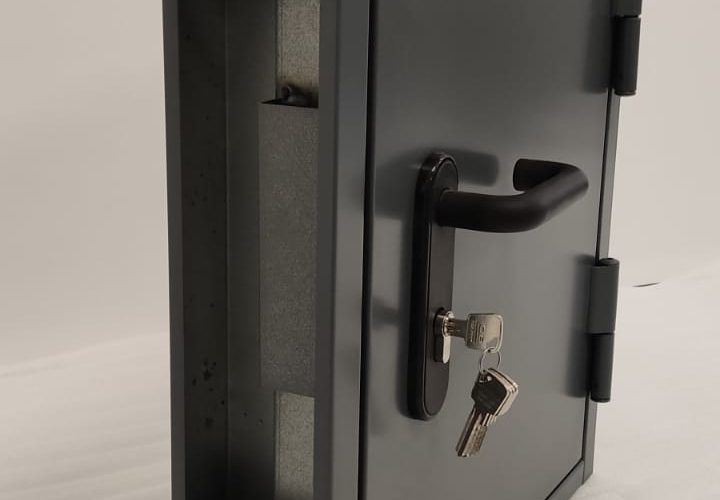
Commercial steel doors are the workhorses of any building. They provide unmatched security, fire safety, and durability. But “durable” doesn’t mean “invincible.” To get decades of reliable service and prevent the two biggest enemies, rust and wear, a simple, proactive maintenance routine is essential. At SIA Kurz, we’ve seen how a little care can save you money in future repairs. Here’s our expert guide to keeping your steel doors in prime condition.
Why Bother? The Cost of Neglect
Neglecting your steel door leads to:
- Rust: Starts as a small spot and can quickly compromise the door’s structural integrity.
- Component Wear: Grinding hinges and failing locks can lead to operational failure and security risks.
- Energy Loss: Worn weather stripping lets air (and your heating/cooling budget) leak out.
- Safety Hazards: A door that sticks or fails to close properly can be a significant safety liability.
A simple maintenance plan avoids all of this. Here are the four key steps.
Your 4-Step Steel Door Maintenance Plan
1. Clean the Surface Regularly
This is the easiest and most effective way to prevent rust. Dirt, salt (especially near roads or seaside locations), and chemical residues trap moisture against the steel, creating a perfect environment for corrosion.
- How Often: At least twice a year. More often in high-traffic or coastal areas.
- What to Use: Use a soft cloth or sponge with a simple solution of mild soap (like dish soap) and warm water.
- What to Avoid: Do NOT use abrasive cleaners, scouring pads, or harsh chemicals (like bleach or ammonia), as they can damage the paint and protective coating.
- Final Step: Always rinse the door thoroughly with clean water and wipe it dry with a soft cloth. Do not let it air dry, as this can leave mineral deposits.
2. Inspect Key Components Quarterly
A quick visual inspection can catch problems before they become serious.
- Door Surface: Look for deep scratches, chips, or cracks in the paint. These are “open wounds” where rust will start.
- Weather Stripping: Check the seals around the door and frame. Are they cracked, torn, brittle, or compressed flat? Damaged seals need to be replaced.
- Hardware: Physically check all hardware.
Are hinges loose?
Are all screws on the lockset, handles, and closers tight?
Does the door closer function smoothly, or does it slam the door or close too slowly?
- Threshold and Sweeps: Inspect the sweep at the bottom of the door. Ensure it’s intact and making a good seal with the threshold.
3. Lubricate Moving Parts (Ensure Smooth Operation)
Moving metal-on-metal parts create friction and wear. Proper lubrication is key.
- Hinges: Apply a high-quality lubricant intended for hinges, such as a lithium-based grease or a silicone spray. Avoid products like WD-40 for long-term lubrication, as it’s a solvent and can attract dust.
- Lock Mechanism: Lubricate the latch bolt and deadbolt. A graphite lubricant is often recommended for the key cylinder itself if it feels stiff.
- How-to: Apply the lubricant sparingly. Move the hinge or operate the lock several times to work the lubricant in, then wipe away any excess.
4. Address Scratches and Rust Immediately
Don’t let a small spot of rust spread.
- Remove the Rust: For small spots, use sandpaper or a wire brush to sand the affected area down to the bare, clean metal.
- Clean the Area: Wipe the sanded area with a solvent (like mineral spirits) to remove all dust and residue.
- Prime: Immediately apply a high-quality, rust-inhibiting metal primer to the bare metal. This is the most critical step to stop rust from returning.
- Paint: Once the primer is dry, apply a matching exterior-grade paint to protect the primer and blend the repair.
Frequently Asked Questions (FAQ) About Steel Door Care
Q1: How often should I clean my commercial steel door?
We recommend a minimum of twice a year (spring and fall). However, if your door is near a busy road, in a coastal area (salty air), or in an industrial zone, cleaning it quarterly (every 3 months) is ideal for preventing corrosion.
Q2: What is the best lubricant for steel door hinges?
The best choice for heavy-duty commercial hinges is a white lithium grease. It’s thick, provides excellent lubrication, and resists water. A silicone spray is a good, less messy alternative for lighter-duty hinges and mechanisms.
Q3: Can I just paint over a small rust spot on my door?
No. Painting directly over rust is a temporary fix at best. The rust will continue to grow and spread underneath the paint, eventually causing it to bubble and flake off. You must remove the rust and sand down to bare metal, then apply a rust-inhibiting primer before painting.
Q4: My steel door is suddenly hard to open and close. What’s the cause?
This is usually caused by one of three things: 1) Loose hinges, which cause the door to sag in the frame (try tightening the screws). 2) Building settling, which has pushed the frame out of alignment. 3. A failing door closer or worn-out hinge. If tightening screws doesn’t fix it, it’s time to call a professional for an adjustment.


