
To Blast or Not to Blast? The Essential Guide to Metal Surface Treatment
In the world of metal fabrication and industrial manufacturing, the finish is just as important as the structure. You can weld the perfect frame, but if the paint peels or rust sets in within a month, the project is a failure.
At SIA Kurz, we often get asked about the best way to prepare metal for its final stage. The answer is frequently Shot Blasting. But while it is a brilliant technique, it isn’t a magic wand for every single situation. Here is everything you need to know about why you need shot blasting, and crucially, when you should skip it.
What is Shot Blasting?
Before we dive into the “why,” let’s briefly touch on the “what.” Shot blasting is a mechanical cleaning process that uses high-velocity steel shots to clean, strengthen, and polish metal. Think of it as a power washer, but instead of water, it uses metal pellets to strip away impurities.
Why You Need Shot Blasting?
If you are looking for longevity and professional quality, shot blasting is usually the first step. Here is why we recommend it for most heavy-duty applications:
1. Unmatched Rust and Scale Removal
Metal fresh from the mill often comes with “mill scale”, a flaky surface layer that prevents paint from adhering properly. Older metal comes with rust. Manual sanding or chemical cleaning often misses spots. Shot blasting strips the metal down to its virgin “white metal” state, removing 100% of rust, mill scale, and old paint.
2. Perfect Adhesion for Paints and Coatings
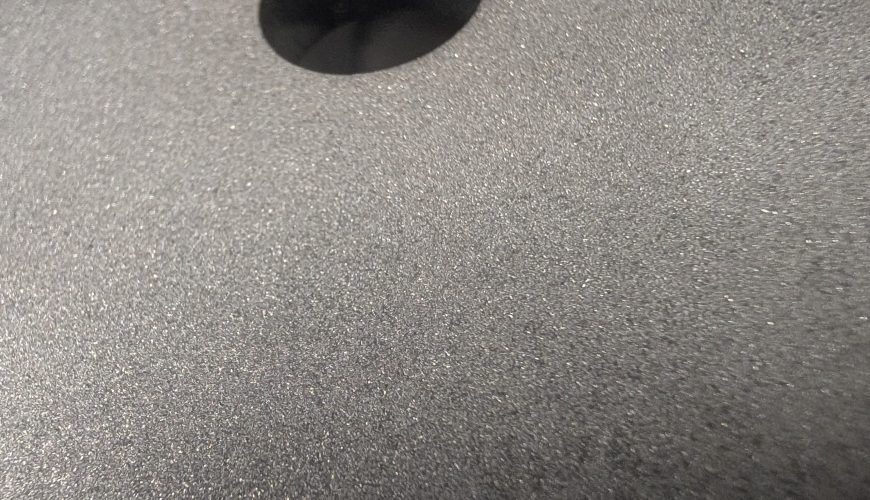
Have you ever seen paint flake off a metal railing? That’s usually due to poor surface profile. Shot blasting doesn’t just clean; it creates a microscopic texture (a “profile”) on the surface. This roughness acts like an anchor, allowing powder coatings and paints to grip the metal tightly.
3. Detecting Surface Defects
Because shot blasting strips the metal so thoroughly, it exposes hidden defects like cracks or welding porosities that might be hiding under rust or grease. This allows us to fix structural issues before the part goes into service.
4. Shot Peening (Increased Strength)
Beyond cleaning, the impact of the steel shot compresses the surface of the metal. This process, known as “shot peening,” increases the metal’s fatigue life, making it more resistant to cracking under stress. This is vital for parts like springs, gears, and engine components.
When You Do NOT Need Shot Blasting
While we love the results of shot blasting at SIA Kurz, we believe in using the right tool for the right job. Here are situations where we might suggest an alternative method:
1. Delicate or Thin Parts
The force of shot blasting is significant. If you are working with very thin sheet metal or delicate mesh, the impact of the steel shot can warp or deform the material.
Alternative – Chemical cleaning or gentle hand sanding.
2. Tight Dimensional Tolerances
Shot blasting removes a tiny layer of material and alters the surface texture. If you have a machined part with extremely tight tolerances (where every micron counts), aggressive blasting might alter the dimensions enough to ruin the fit.
Alternative – Masking critical areas or using non-abrasive cleaning methods.
3. Soft Non-Ferrous Metals
While you can blast aluminum or copper, you cannot use the same steel shot used for heavy steel girders. Steel shot can embed itself into softer metals, leading to cross-contamination and future corrosion.
Alternative – Glass bead blasting or using stainless steel shot specifically designed for non-ferrous metals.
The SIA Kurz Promise
Choosing the right surface treatment is the difference between a job done and a job done right. At SIA Kurz, we assess every project individually. We don’t just blast everything blindly; we look at the material, the intended use, and the required lifespan to determine the perfect preparation method.
Ready to get the perfect finish on your next project? Contact SIA Kurz today for a consultation on your metal processing needs.


